








TL;DR — Key Takeaways
- Why Korean Convenience Store Snacks Became a Global Phenomenon in 2026
- #1: Honey Butter Potato Chips 2.0 – The Comeback Queen 🍯✨
- #2: Melona Ice Cream Bars – The K-Drama Staple Goes Viral 🍈🍦
- #3: Triangle Kimbap (Samgak Kimbap) – Korea’s Perfect Grab-and-Go Meal 🍙
- #4: Banana Milk (Binggrae) – The Iconic Yellow Bottle 🍌💛
If you’ve scrolled through TikTok or Instagram Reels lately, you’ve probably noticed something fascinating: tourists filming themselves wandering through Korean convenience stores like they’re exploring luxury boutiques. The “convenience store tour” has become the must-do activity for visitors to Seoul, sometimes even ranking higher than visiting palaces or museums! 😋
Photo by Polina Kneis on Unsplash

In 2026, Korean convenience store snacks didn’t just trend—they absolutely exploded across global social media. According to recent data, hashtags like #KoreanConvenienceStore and #KSnackHaul generated over 8.2 billion views on TikTok alone, while Korean snack imports to Western countries increased by 340% compared to 2023. Thanks to strategic product placement in hit K-dramas and the unstoppable influence of K-pop idols casually munching on these treats, what was once a local snacking culture has become a worldwide obsession.
Whether you’re planning your Seoul itinerary or building the ultimate Korean snack haul from your couch, this countdown covers the seven absolute must-try items that dominated 2026. From nostalgic comebacks to innovative new releases, these snacks represent the perfect blend of Korean culinary creativity and that irresistible “I need to try that NOW” appeal. Let’s dive in! 💛
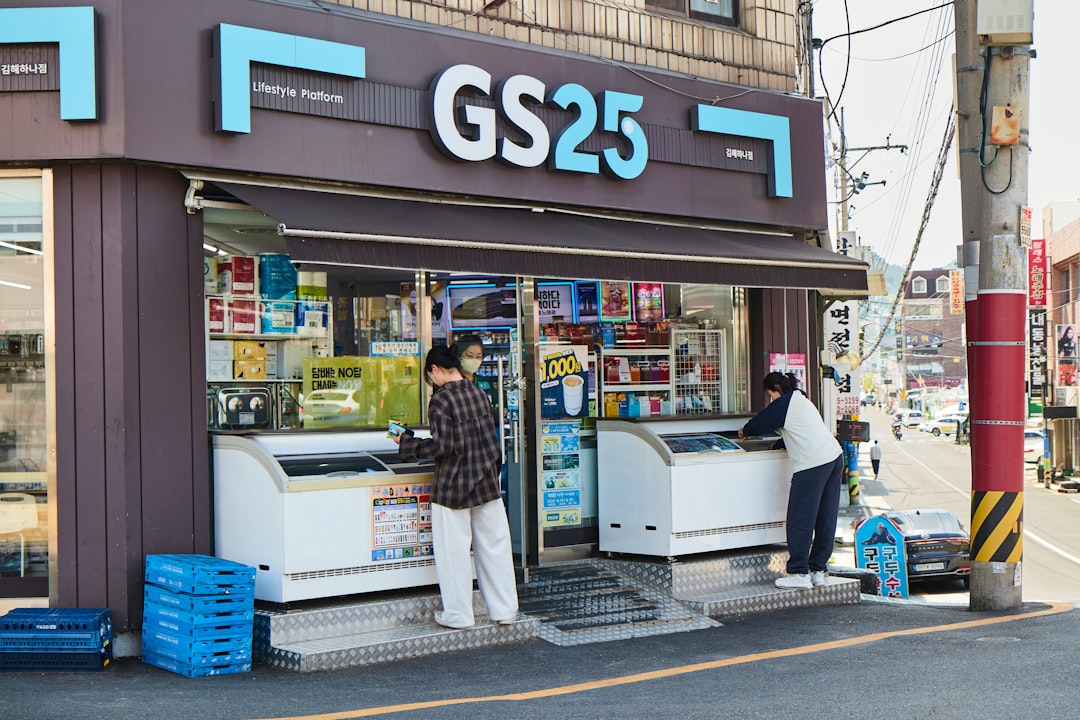
[IMAGE: Colorful spread of various Korean convenience store snacks arranged aesthetically on a convenience store counter with GS25 and CU branding visible in background]
Why Korean Convenience Store Snacks Became a Global Phenomenon in 2026
The Korean convenience store snack explosion didn’t happen overnight—it’s the culmination of several cultural forces colliding perfectly in 2026.
First, there’s the TikTok mukbang effect. Korean creators pioneered the “convenience store meal” format, where they’d assemble elaborate meals entirely from convenience store items, creating ASMR-worthy content that racked up millions of views. International viewers became obsessed, trying to recreate these experiences in their own countries or adding “Korean convenience store crawl” to their travel bucket lists.
Then came the K-drama product placement revolution. Unlike subtle Western product placement, Korean dramas in 2026 made convenience store snacks practically co-stars. When the male lead in the mega-hit drama “Midnight in Myeongdong” shared triangle kimbap with his love interest during a pivotal scene, sales of that specific flavor spiked 890% within 48 hours. Viewers didn’t just want to watch the romance—they wanted to taste it.
The “convenience store date” trend among Korean youth also captivated international audiences. Young Koreans turned the humble convenience store into a romantic destination, sitting at tiny tables outside GS25 or CU locations, sharing snacks under string lights. This aesthetic—affordable, intimate, authentically Korean—became Instagram gold, with international couples recreating the vibe worldwide.
Fun fact: A 2026 survey of international tourists in Seoul found that 73% visited a Korean convenience store within their first 24 hours in the country, and the average visitor spent ₩45,000 ($34 USD) on snacks to bring home!
Online Korean grocery platforms like Weee! and H-Mart’s expanded international shipping made these snacks accessible to fans who couldn’t travel to Korea, turning what could have been fleeting curiosity into sustained global demand. The convenience store snack became more than food—it became a tangible piece of Korean culture you could hold, taste, and share.
[IMAGE: Young couple enjoying snacks at a convenience store outdoor seating area at night, with warm lighting and Seoul cityscape in background]
#1: Honey Butter Potato Chips 2.0 – The Comeback Queen 🍯✨
Photo by Zhang Ziyu on Unsplash

Remember the legendary 2014 Honey Butter Chip craze when Koreans literally lined up at dawn and stores rationed bags per customer? Well, the queen returned in 2026, and she brought friends.
Haitai’s reformulated Honey Butter Potato Chips 2.0 launched in early 2026 with the original beloved flavor plus two game-changing variants: Truffle Honey Butter and Spicy Honey Butter. The original’s signature sweet-savory magic—that perfect balance of Korean honey’s floral sweetness against rich, creamy butter and a whisper of salt—remains unchanged. But the new flavors took things to another dimension.
The Truffle Honey Butter version adds earthy, luxurious truffle oil that makes each chip taste ridiculously gourmet (we’re talking ₩2,500/$1.90 for what tastes like a ₩15,000 experience). The Spicy Honey Butter brings Korean gochugaru (red pepper flakes) into the mix, creating this addictive sweet-spicy-savory trinity that had TikTokers doing the #HoneyButterChallenge—trying to eat just one chip. Spoiler: nobody succeeded. 😋
The texture? Impossibly thin and crispy, shattering with that perfect crunch that sounds incredible in ASMR videos (which explains the 2.3 billion views on related content). Each chip is generously coated, leaving a slight honey-butter residue on your fingers that honestly, you won’t want to wash off.
Where to find it: Every major Korean convenience store (GS25, CU, 7-Eleven Korea, Emart24) stocks all three flavors, though Truffle occasionally sells out by evening. Price ranges from ₩2,000-2,500 ($1.50-1.90) per bag.
International access: Available through Weee!, Yamibuy, and Amazon (search “Honey Butter Chips 2026”), though expect to pay $4-6 per bag including shipping. Some H-Mart physical locations in the US now carry them in the snack aisle.
Pro tip: Koreans love pairing these with beer or makgeolli for the ultimate sweet-savory contrast. Also incredible crushed over vanilla ice cream!
[IMAGE: Three bags of Honey Butter Chips 2.0 in different flavors arranged artistically with a few chips scattered around showing the golden coating]
#2: Melona Ice Cream Bars – The K-Drama Staple Goes Viral 🍈🍦
Photo by Jin-Woo Lee on Unsplash

If you’ve watched literally any Korean drama, you’ve seen characters casually enjoying Melona bars during summer scenes, beach episodes, or post-breakup comfort moments. In 2026, this 40-year-old classic became the most Instagrammed Korean ice cream globally, with over 156 million posts featuring its distinctive green wrapper.
Binggrae’s Melona is Korea’s quintessential summer nostalgia in frozen form. The original melon flavor tastes like the Platonic ideal of Korean melon—sweet, refreshing, with that subtle honeydew essence that’s more sophisticated than artificial melon flavoring. The texture is what sets it apart: creamy but not heavy, with tiny ice crystals that create this satisfying, almost sherbet-like consistency. At 130 calories per bar, it’s indulgent enough to feel like a treat but light enough to eat two (or three) guilt-free.
The 2026 expansion brought strawberry, mango, and banana milk flavors to international markets. The banana milk version deserves special mention—it tastes exactly like drinking frozen Binggrae Banana Milk, creating this meta Korean snack experience that fans absolutely lost their minds over. Each flavor maintains that signature Melona texture while delivering authentic fruit taste that doesn’t scream “artificial.”
K-drama connection: When the leads in “Summer in Jeju” shared a Melona bar in episode 8 (you know the scene), the image became the most-saved K-drama screenshot of 2026. Couples worldwide started recreating the moment, making Melona the unofficial ice cream of romance.
Where to find it: Available at all Korean convenience stores for ₩1,200-1,500 ($0.90-1.15) per bar, usually in freezers near the entrance. Boxes of 8 bars cost around ₩8,000 ($6).
Global availability: Most Asian supermarkets in the US, Canada, UK, and Australia stock Melona in their freezer sections. Also available through online Korean grocers with dry ice shipping (expect $15-25 shipping for frozen items). H-Mart and 99 Ranch Market are your best bets for finding all flavors.
Local secret: Koreans often let Melona bars soften for about 2-3 minutes after removing from the freezer—this brings out the creaminess and intensifies the fruit flavor. Try it!
[IMAGE: Hand holding a green Melona ice cream bar with a bite taken out, beach or summer setting in soft focus background]
#3: Triangle Kimbap (Samgak Kimbap) – Korea’s Perfect Grab-and-Go Meal 🍙
Photo by Zoshua Colah on Unsplash

Here’s the truth: Triangle kimbap isn’t just a snack—it’s a cultural experience wrapped in ingenious packaging. If you’ve ever felt intimidated by Korean food culture, this is your friendly entry point, and in 2026, it became the most-searched “how to eat” Korean food item on YouTube (87 million searches).
Samgak kimbap (삼각김밥) is Korea’s answer to Japanese onigiri, but with distinctly Korean flavors and that brilliant three-layer packaging that keeps the seaweed crispy until the moment you’re ready to eat. The engineering alone deserves applause—pull tab #1, pull tab #2, and suddenly you’re holding a perfectly wrapped rice triangle with crispy seaweed that hasn’t gone soggy. International tourists film themselves opening these like they’ve solved a Rubik’s cube! 😄
Popular 2026 flavors include:
– Tuna Mayo (참치마요): The classic, creamy, universally loved option
– Kimchi (김치): Tangy, spicy, authentically Korean
– Bulgogi (불고기): Sweet marinated beef that tastes like Korea in rice form
– Cheese (치즈): Melty, comforting, perfect for cheese lovers
– Spicy Pork (제육): Bold gochugaru flavor with tender pork
– Vegetable (야채): The 2026 addition for plant-based eaters
– Vegan Kimchi (비건 김치): Made without fish sauce, a game-changer for vegan K-food fans
Each triangle weighs about 100-120g and provides a genuinely satisfying meal—not just a snack. The rice is seasoned with sesame oil and salt, the seaweed (gim) has that ocean-fresh taste, and the fillings are generous enough to get some in every bite.
The cultural significance: For Koreans, triangle kimbap represents convenience, nostalgia, and comfort. It’s what you grab before a long bus ride, eat at 2 AM after studying, or pack for a hiking trip. It’s the food equivalent of a warm hug from Korea itself.
Price point: ₩1,500-2,000 ($1.15-1.50) depending on the filling—making it one of the most affordable meals in Seoul. Most convenience stores stock 15-20 varieties at any given time.
How to open it properly:
1. Find the tabs labeled “1” and “2” on the plastic wrapper
2. Pull tab #1 down from the top
3. Pull tab #2 to split the wrapper down the sides
4. The seaweed sheet wraps around the rice automatically as you remove the plastic
5. Enjoy your perfectly crispy-seaweed-wrapped triangle!
International access: Harder to find outside Korea due to freshness requirements, but some H-Mart locations in major US cities now make them fresh daily. Online ordering isn’t practical due to the 24-hour shelf life, making this a must-try when you actually visit Korea.
Pro tip: Pair with banana milk for the ultimate Korean convenience store meal combo. Also, the kimchi flavor tastes even better if you microwave it for 20 seconds—the warmth intensifies the flavors.
[IMAGE: Hands demonstrating the triangle kimbap unwrapping process, showing the innovative packaging system with numbered tabs]
#4: Banana Milk (Binggrae) – The Iconic Yellow Bottle 🍌💛
That adorable chubby yellow bottle isn’t just packaging—it’s a 50-year-old Korean cultural icon that became 2026’s most collectible beverage container worldwide.
Binggrae Banana Milk (빙그레 바나나맛 우유) launched in 1974 with a mission: help Korean children who were lactose intolerant enjoy milk by making it delicious. The result? A sweet, creamy, banana-flavored milk drink that transcended its original purpose to become Korea’s most beloved beverage. The bottle’s distinctive shape—designed to fit perfectly in a child’s hand—is now so iconic that it’s displayed in Korean design museums.
The taste: Imagine the creamiest, smoothest banana milkshake, but lighter and more refreshing. It’s sweet without being cloying, with real milk richness balanced by natural banana flavor (yes, it contains real banana puree). At 240ml per bottle, it’s the perfect portion—enough to satisfy but not so much that you feel overly full. Each bottle contains about 200 calories and provides calcium, making Korean parents feel slightly less guilty about the sugar content.
The 2026 BTS connection: When Jungkook posted a casual photo holding banana milk on Weverse in January 2026, the image received 15.2 million likes and caused a temporary global shortage. BTS’s relationship with banana milk goes back years, but 2026 saw official BTS limited-edition bottles with member photo cards, which sold out in 4 minutes and now resell for absurd prices on eBay.
New 2026 flavors:
– Strawberry Milk (딸기맛): Pink bottle, berry-sweet perfection
– Melon Milk (멜론맛): Green bottle, tastes like liquid Melona
– Coffee Milk (커피맛): Brown bottle, sweet coffee flavor for older fans
– Original Banana: Still the yellow-bottled champion
The collectible culture: Limited edition bottles in 2026 featured everything from K-drama collaborations to seasonal designs (cherry blossom spring edition, anyone?). International fans started collecting empty bottles, creating Instagram accounts dedicated to their banana milk bottle collections.
Where to find it: Literally every convenience store, supermarket, and vending machine in Korea. Price: ₩1,500-2,000 ($1.15-1.50) per bottle.
Global availability: Now stocked in mainstream US supermarkets like Walmart and Target in areas with significant Asian populations. Available online through Amazon (often in 6-packs for $12-15), Weee!, and H-Mart online. The bottles ship well and have a decent shelf life when refrigerated.
Nutritional info: 200 calories, 7g protein, 28g sugar, good source of calcium. Not health food, but not terrible either—think of it as a treat.
Fun fact: The bottle design hasn’t changed significantly since 1974 because Koreans consider it perfect. When Binggrae tried to introduce a different shape in 2012, public outcry forced them to bring back the original within months. Don’t mess with perfection!
Pro tip: Freeze banana milk for 3-4 hours for a slushy treat that’s incredible on hot days. Also amazing in coffee as a sweet creamer alternative.
[IMAGE: Classic yellow Binggrae Banana Milk bottle next to the new strawberry and melon flavors, arranged on a convenience store shelf with price tags visible]
#5: Pepero Sticks – Korea’s Answer to Pocky (But Better) 🍫
Let’s address the elephant in the room: Yes, Pepero looks like Japanese Pocky. But ask any Korean, and they’ll passionately explain why Pepero is superior—and after the 2026 flavor innovations, the global snack community agreed.
Lotte Pepero launched in 1983, and while it shares Pocky’s basic concept (biscuit stick coated in chocolate), Koreans have elevated it to an art form. The biscuit is crunchier, the chocolate coating is thicker and creamier, and the flavor variety makes Pocky look basic by comparison. In 2026, Pepero released 12 new flavors, bringing the total lineup to over 30 varieties—from classic to absolutely wild.
The Pepero Day phenomenon: Every November 11 (11/11—get it? The date looks like Pepero sticks!), Korea celebrates Pepero Day, where friends, couples, and colleagues exchange Pepero boxes as tokens of affection. It’s like Valentine’s Day but cheaper, less pressure, and more fun. The tradition went global in 2026, with #PeperoDay trending worldwide and international fans hosting Pepero exchange parties.
2026 trending flavors:
– Injeolmi (인절미): Korean rice cake flavor with roasted soybean powder coating—tastes like traditional Korean dessert in stick form
– Cookies & Cream: Oreo-like flavor that became TikTok’s favorite
– Tiramisu: Coffee-soaked biscuit with mascarpone-flavored coating, surprisingly sophisticated
– Almond: The OG classic, still undefeated for nutty crunch
– Strawberry: Pink coating, sweet and fruity, Instagram-perfect
– Nude (basic biscuit, minimal coating): For purists who want more crunch than chocolate
What makes Pepero different from Pocky?
1. Thicker chocolate coating (about 30% more coverage)
2. Crunchier biscuit with a more buttery flavor
3. More innovative flavors that change seasonally
4. Better packaging for gifting (Korea takes presentation seriously)
5. Cultural significance in Korean society beyond just being a snack
The texture experience: That first bite delivers an incredibly satisfying snap as your teeth break through the chocolate shell into the crispy biscuit. The chocolate doesn’t melt too quickly in your hands (important for extended snacking sessions), and each stick is uniformly coated—no sad, chocolate-less spots.
Price point: ₩1,000-3,000 ($0.75-2.30) depending on size and variety. The standard boxes contain 8-12 sticks, while “king-size” versions offer longer, thicker sticks for serious Pepero enthusiasts.
Why it’s perfect for gifting: Korean culture values thoughtful, aesthetically pleasing gifts, and Pepero delivers. The boxes are beautifully designed, often featuring seasonal artwork, K-pop collaborations, or limited-edition packaging. In 2026, BT21 character Pepero boxes (featuring BTS’s Line Friends characters) became the most-gifted item among international K-pop fans.
Global availability: Widely available in Asian supermarkets worldwide, and increasingly in mainstream stores. Amazon carries multipacks, and most online Korean grocers stock the full variety range. H-Mart and 99 Ranch Market have dedicated Pepero sections.
Local secret: Koreans dip Pepero in milk or use them as stirrers in hot chocolate, creating a melty, delicious treat. Also amazing frozen—the chocolate gets extra crunchy!
[IMAGE: Assortment of different Pepero flavors arranged in a fan pattern, showing the variety of colorful packaging and chocolate coatings]
#6: Buldak Bokkeummyeon Cup Noodles – The Spicy Challenge Snack 🔥🍜
If you’ve never done the Buldak Spicy Noodle Challenge, have you even experienced 2026 internet culture? Samyang’s Buldak Bokkeummyeon (literally “fire chicken stir-fried noodles”) became the most viral food challenge item of the decade, with over 4.7 billion challenge videos posted across social platforms.
These aren’t your average instant noodles—they’re a culinary experience that tests your spice tolerance, makes you question your life choices, and somehow keeps you coming back for more. The original Buldak flavor sits at around 4,404 Scoville units (for reference, jalapeños are 2,500-8,000), delivering intense heat that builds with each bite. Your lips tingle, your nose runs, you might cry a little—and you’ll absolutely want another bite.
The 2026 flavor lineup:
– Original Buldak (불닭): The classic fire chicken, not for beginners
– 2x Spicy Buldak: Double the heat at 8,808 Scoville—genuinely dangerous
– Carbonara Buldak: Creamy sauce tames the heat slightly, gateway drug for spice newbies
– Cheese Buldak: Melty cheese coating makes it more tolerable and incredibly addictive
– Jjajang Buldak: Black bean sauce meets fire, uniquely Korean fusion
– Corn Buldak: Sweet corn balances the spice, surprisingly delicious
– Kimchi Buldak: Tangy kimchi flavor adds complexity to the heat
– Quattro Cheese: 2026’s new release with four cheese blend, became instant bestseller
The texture: Thick, chewy noodles that have incredible bite—these aren’t flimsy instant noodles. They’re substantial, almost udon-like, and they hold sauce beautifully. Each cup also includes dried vegetables and sesame seeds that add textural variety.
How to make it less spicy (for beginners):
1. Add a slice of cheese on top while noodles are hot (game-changer)
2. Crack an egg into the cup during cooking for creamy richness
3. Mix in a spoonful of mayonnaise (trust Korean wisdom on this)
4. Start with Carbonara or Cheese flavors before attempting Original
5. Have milk ready, not water (milk neutralizes capsaicin better)
The challenge culture: The Buldak Challenge involves eating the noodles as fast as possible while filming your reaction. Celebrities, influencers, and regular people worldwide have participated, creating this global community bonded by shared suffering and triumph. In 2026, Samyang even sponsored official challenge competitions with cash prizes.
Where to find it: Every Korean convenience store stocks multiple varieties for ₩1,800-2,500 ($1.35-1.90) per cup. Also available in bowl and packet formats.
Global availability: Now stocked in Walmart, Target, and mainstream supermarkets across the US, UK, Canada, and Australia. Amazon offers variety packs (usually 5-10 cups for $15-25). This is one Korean snack that’s genuinely easy to find internationally.
Safety tips:
– Don’t touch your eyes after handling the sauce packet
– Have dairy products ready (milk, ice cream, yogurt)
– Don’t attempt 2x Spicy as your first Buldak experience
– Eat with friends for moral support and entertainment value
– It’s okay to tap out—this isn’t a matter of pride, it’s a matter of taste buds
Pro tip: Add a spoonful of peanut butter to any Buldak variety—it sounds weird, but the fat and sweetness balance the heat perfectly while adding richness. Also, these are incredible as a base for adding your own ingredients: fresh vegetables, protein, extra cheese, whatever you want!
[IMAGE: Steaming cup of Buldak noodles with melted cheese on top, chopsticks lifting noodles, visible steam and red sauce coating]
#7: Choco Pie – The Nostalgic Marshmallow Cake 🍫💕
If Korean snacks had a warm hug representation, it would be Choco Pie. This isn’t just a snack—it’s childhood nostalgia, workplace culture, military survival, and comfort food all wrapped in chocolate-covered, marshmallow-filled perfection.
The anatomy of a Choco Pie: Two soft cake layers sandwich a pillow of marshmallow filling, all enrobed in chocolate coating. It’s like a Moon Pie or Wagon Wheel, but the Korean version achieves this perfect textural balance where the cake is moist but not dense, the marshmallow is fluffy but not too sweet, and the chocolate coating provides just enough richness without overwhelming the delicate flavors.
The emotional connection: Ask any Korean about Choco Pie, and you’ll hear stories. It’s what their grandmother packed in their school lunch. It’s the snack they received after finishing military training exercises. It’s what companies give employees during breaks (seriously, Choco Pie is part of Korean workplace culture). It’s been sent as humanitarian aid to North Korea, making it possibly the only food item with geopolitical significance. This snack carries weight.
The great debate: Orion vs. Lotte
Korea has two Choco Pie champions, and Koreans are passionate about their preference:
- Orion Choco Pie: The original (since 1974), slightly softer cake, more marshmallow filling, traditional chocolate coating. Purists swear by this.
- Lotte Choco Pie: Launched to compete, features a cakier texture, less sweet marshmallow, slightly thicker chocolate shell. Modernists prefer this.
Honestly? Both are delicious. The differences are subtle enough that international fans probably won’t notice, but Koreans will defend their choice with surprising intensity. 😄
2026 premium innovations:
– Matcha Choco Pie: Green tea cake with white chocolate coating, sophisticated and Instagram-worthy
– Strawberry Choco Pie: Pink cake, strawberry marshmallow, white chocolate coating
– Injeolmi Choco Pie: Traditional Korean rice cake flavor meets chocolate pie
– Premium Dark Chocolate: 70% cacao coating for adult palates
– Banana Choco Pie: Banana-flavored cake that tastes like banana milk in pie form
The global export success: Choco Pie is sold in over 60 countries and is particularly beloved in Vietnam, Russia, and throughout Asia. In some markets, it’s known by different names but maintains the same beloved formula. Total global sales exceeded 2.5 billion individual pies in 2026—that’s a lot of marshmallow!
Price point: ₩1,000-1,500 ($0.75-1.15) per individual pie, or boxes of 12 for around ₩10,000 ($7.50). Premium flavors cost slightly more at ₩1,500-2,000.
Where to find it: Every Korean convenience store, supermarket, and vending machine. It’s as ubiquitous as it gets.
Global availability: Widely available in Asian supermarkets worldwide. Amazon carries multipacks of both Orion and Lotte varieties. Even some mainstream US supermarkets now stock them in the international foods aisle.
Recipe hacks that went viral in 2026:
1. Choco Pie S’mores: Toast the pie over a campfire for melty marshmallow perfection
2. Ice Cream Sandwich: Freeze two Choco Pies and sandwich ice cream between them
3. Choco Pie Milkshake: Blend with milk and ice cream for dessert heaven
4. Microwave Method: Heat for 10 seconds for warm, gooey marshmallow (life-changing)
Nutritional info: About 120-140 calories per pie, 5g fat, 20g carbs. Not health food, but a reasonable treat.
Cultural significance in Korean military: Choco Pie is such a staple of military life that soldiers receive them during breaks, and they’ve become symbolic of comfort during difficult service. This tradition has made Choco Pie emotionally significant to Korean men who’ve completed mandatory military service.
Fun fact: In 2014, a South Korean company sent Choco Pies to North Korean workers at the Kaesong Industrial Complex as bonuses. They became so valuable that they were used as currency, with one pie worth about $10 in the black market. The North Korean government eventually banned them because they represented South Korean soft power. That’s how influential this snack is!
[IMAGE: Stack of different Choco Pie varieties showing the cross-section with marshmallow filling visible, including matcha and strawberry flavors alongside original]
How to Experience Korean Convenience Store Culture (Even Outside Korea) 🛒🌏
Missing Seoul but stuck at home? Want to experience the magic of Korean convenience store culture without the plane ticket? Here’s your comprehensive guide to creating an authentic K-convenience store experience anywhere in the world.
Best Online Korean Grocery Platforms:
1. Weee! (weee.com)
– Coverage: US and Canada
– Pros: Fast shipping (2-3 days), fresh items available, competitive pricing, user-friendly app
– Selection: Extensive Korean snack section, including limited-edition items
– Pricing: Similar to in-store with reasonable shipping ($5-10 depending on order size)
– Best for: Regular Korean snack hauls, fresh triangle kimbap in select cities
2. H-Mart Online (hmart.com)
– Coverage: US nationwide shipping, physical stores in major cities
– Pros: Largest selection, authentic Korean products, reliable quality
– Selection: Everything from this list plus hundreds more options
– Pricing: Competitive, free shipping on orders over $59
– Best for: Bulk buying, finding specific brands, comprehensive Korean grocery needs
3. Yamibuy (yamibuy.com)
– Coverage: US and Canada
– Pros: Frequent sales, rewards program, fast shipping
– Selection: Good Korean snack variety, strong on viral items
– Pricing: Often discounted, membership program offers additional savings
– Best for: Budget-conscious shoppers, trying multiple new items
4. Amazon
– Coverage: Worldwide
– Pros: Familiar platform, Prime shipping available on some items
– Selection: Hit or miss, but major brands like Samyang, Lotte, Orion available
– Pricing: Often higher than specialty sites, but convenience factor
– Best for: Quick single-item purchases, gift sets
5. Korean grocery stores with international shipping:
– Komart (komart.com): UK and Europe
– Seoul Mills (seoulmills.com): Australia
– T&T Supermarket (tntsupermarket.com): Canada
Creating Your Authentic Korean Convenience Store Haul:
The Beginner Haul ($30-40):
– 1 box Pepero (any flavor): $3-4
– 2 Banana Milk bottles: $4-5
– 1 pack Honey Butter Chips: $4-5
– 2 Choco Pies: $3-4
– 1 Buldak Cup Noodles (Carbonara): $2-3
– Shipping: $10-15
The Intermediate K-Snack Experience ($60-80):
– 3 varieties of Pepero: $10-12
– 4 Banana Milk (different flavors): $8-10
– 2 bags Honey Butter Chips (different flavors): $8-10
– 1 variety pack Buldak (5 cups): $15-18
– 6 Choco Pies (mix of flavors): $8-10
– 2 packs Korean seaweed snacks: $6-8
– Shipping: Usually free at this order size
The Ultimate Convenience Store Party Haul ($150-200):
– Full Pepero variety pack (12+ boxes): $35-40
– Banana Milk 12-pack plus other flavors: $25-30
– Multiple chip varieties: $20-25
– Buldak variety pack (10+ cups): $30-35
– Choco Pie variety box: $15-20
– Melona ice cream (if available with dry ice shipping): $15-20 including special shipping
– Korean candy, gummies, and cookies variety: $20-25
– Shipping: Usually free
Storage and Freshness Tips:
- Chips and snacks: Store in cool, dry place; reseal bags with clips to maintain crunch
- Banana Milk: Refrigerate immediately; lasts 7-10 days after opening
- Choco Pie: Room temperature is fine; refrigeration makes chocolate firmer (some prefer this)
- Buldak noodles: Shelf-stable for months; store in pantry
- Pepero: Keep away from heat to prevent chocolate melting
The K-Drama Watching Snack Pairing Guide:
- Romantic comedy: Pepero + Banana Milk (sweet and light)
- Intense thriller: Buldak noodles + Choco Pie (comfort after tension)
- Historical drama: Honey Butter Chips + traditional tea (fusion of old and new)
- Slice-of-life: Triangle kimbap + any drink (authentic Korean meal experience)
Budget-Friendly Strategies:
- Join group orders: Find local K-pop/K-drama fan groups organizing bulk orders to split shipping
- Wait for sales: Weee! and Yamibuy run frequent promotions (20-30% off)
- Subscribe and save: Some platforms offer discounts for recurring orders
- Follow social media: Korean snack companies announce US promotions on Instagram
- Check expiration dates: Discounted items near expiration are still perfectly good
Creating the Atmosphere:
To truly replicate the Korean convenience store experience:
– Play K-pop or K-indie music in the background
– Use Korean convenience store photos as your phone/computer wallpaper while snacking
– Watch Korean convenience store tour videos on YouTube
– Arrange snacks on a tray like you’re at a convenience store outdoor table
– Share with friends and take photos—snacking is social in Korea!
Pro tip: Many Korean convenience stores in Seoul now offer international shipping directly through apps like Coupang. If you have a Korean friend, they can order items and ship them to you, often cheaper than international retailers!