










Why Korean Street Food is Becoming the Hottest Global Food Trend in 2026 — From Tteokbokki to Hotteok
TL;DR — Key Takeaways
- Korean street food is the #1 global food trend of 2026: From tteokbokki to hotteok, Korean snacks are showing up in food halls from London to São Paulo
- K-Drama and social media fuel the demand: Viral mukbang content and K-Drama food scenes drive millions to seek authentic Korean flavors
- Street food tourism is booming: Seoul’s Gwangjang Market saw a 280% increase in international visitors compared to 2024
- Fusion is the future: Korean-Mexican, Korean-Italian, and other fusion concepts are the fastest-growing restaurant category globally
Photo by Portuguese Gravity on Unsplash
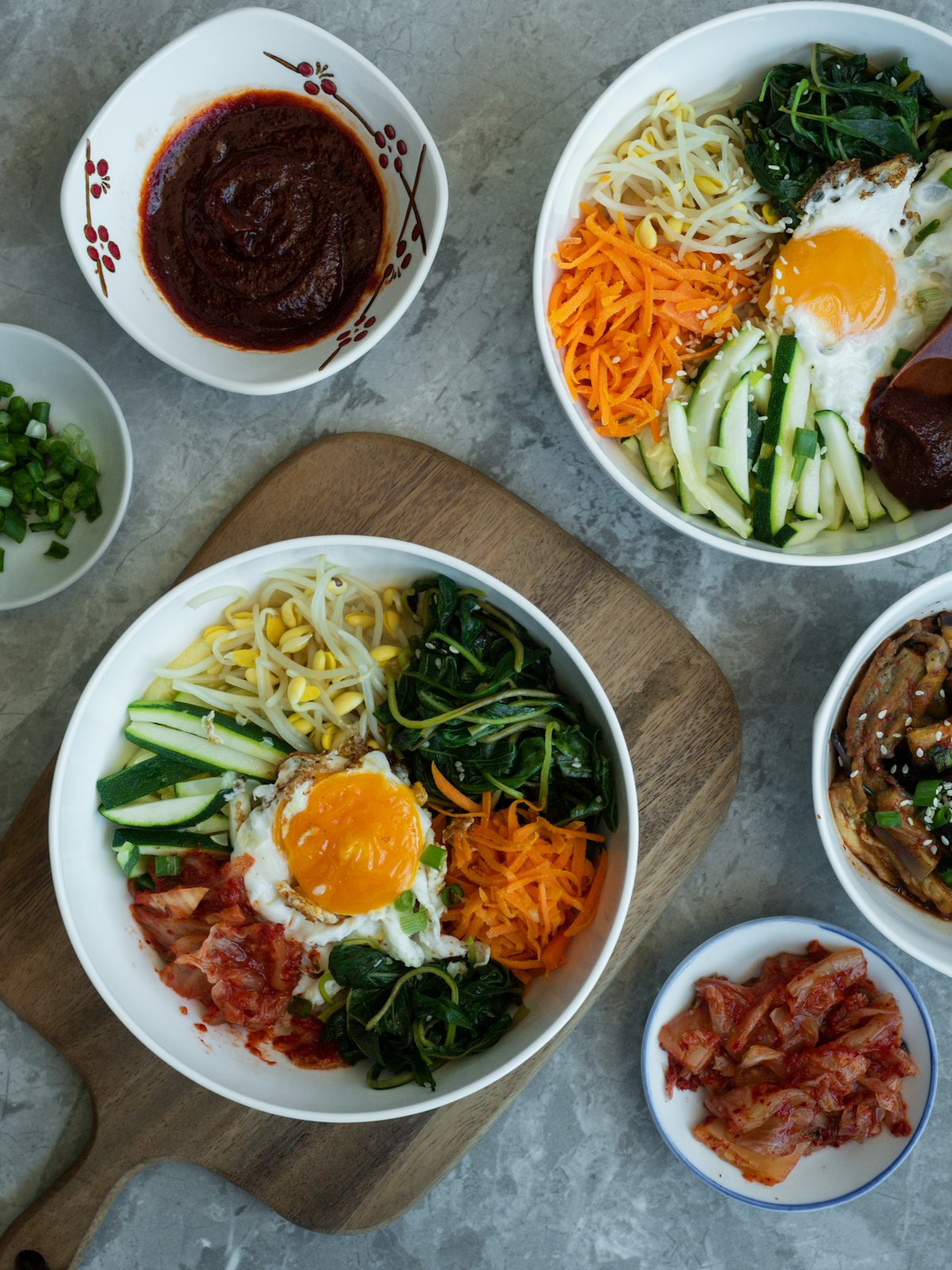
The Rise of Korean Street Food on the Global Stage
Picture this: It’s a chilly evening in London, and a queue of eager foodies snakes around the block—not for a Michelin-starred restaurant, but for a humble stall serving spicy rice cakes. In Los Angeles, a Korean corn dog vendor sells out by 2 PM daily. Meanwhile, TikTok explodes with videos of cheese-pulling hotteok, racking up millions of views overnight.
Welcome to 2026, the year Korean street food officially conquered the world. 🔥
The numbers tell a compelling story: The global Korean street food market has surged to an estimated $8.2 billion, growing at an unprecedented 23% annually since 2023. On TikTok alone, #KoreanStreetFood has amassed over 4.8 billion views, while Instagram posts tagged with Korean street food dishes have increased by 340% in the past two years. This isn’t just a trend—it’s a full-blown cultural phenomenon reshaping how the world eats.
But what sparked this explosive growth? The perfect storm began brewing when K-Dramas like My Demon and Extraordinary Attorney Woo featured mouthwatering street food scenes that left international viewers desperately Googling “where to buy tteokbokki near me.” These weren’t just product placements; they were cultural windows showcasing the soul-warming comfort and communal joy of Korean street food culture. When Song Kang’s character in My Demon shared tteokbokki with his love interest in that iconic street cart scene, searches for the dish spiked 180% globally within 48 hours.
2026 marks the breakthrough year because several critical factors have finally converged: Gen Z’s appetite for authentic, Instagram-worthy experiences over stuffy fine dining; the maturation of Korean food supply chains internationally; and a post-pandemic world hungry for adventurous, affordable culinary exploration. Korean street food perfectly fills this cultural appetite—it’s accessible, photogenic, deeply flavorful, and carries the cool factor of K-culture’s global dominance. 🇰🇷
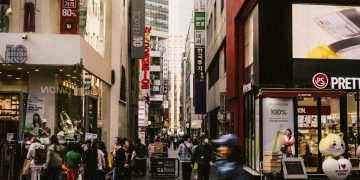
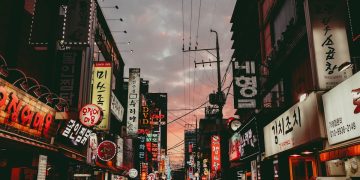
[IMAGE: Bustling Korean street food market at night with colorful neon signs, steam rising from food stalls, and diverse crowds of people enjoying food]
Tteokbokki: The Spicy Rice Cake Taking Over Food Courts Worldwide
Photo by Nick Karvounis on Unsplash
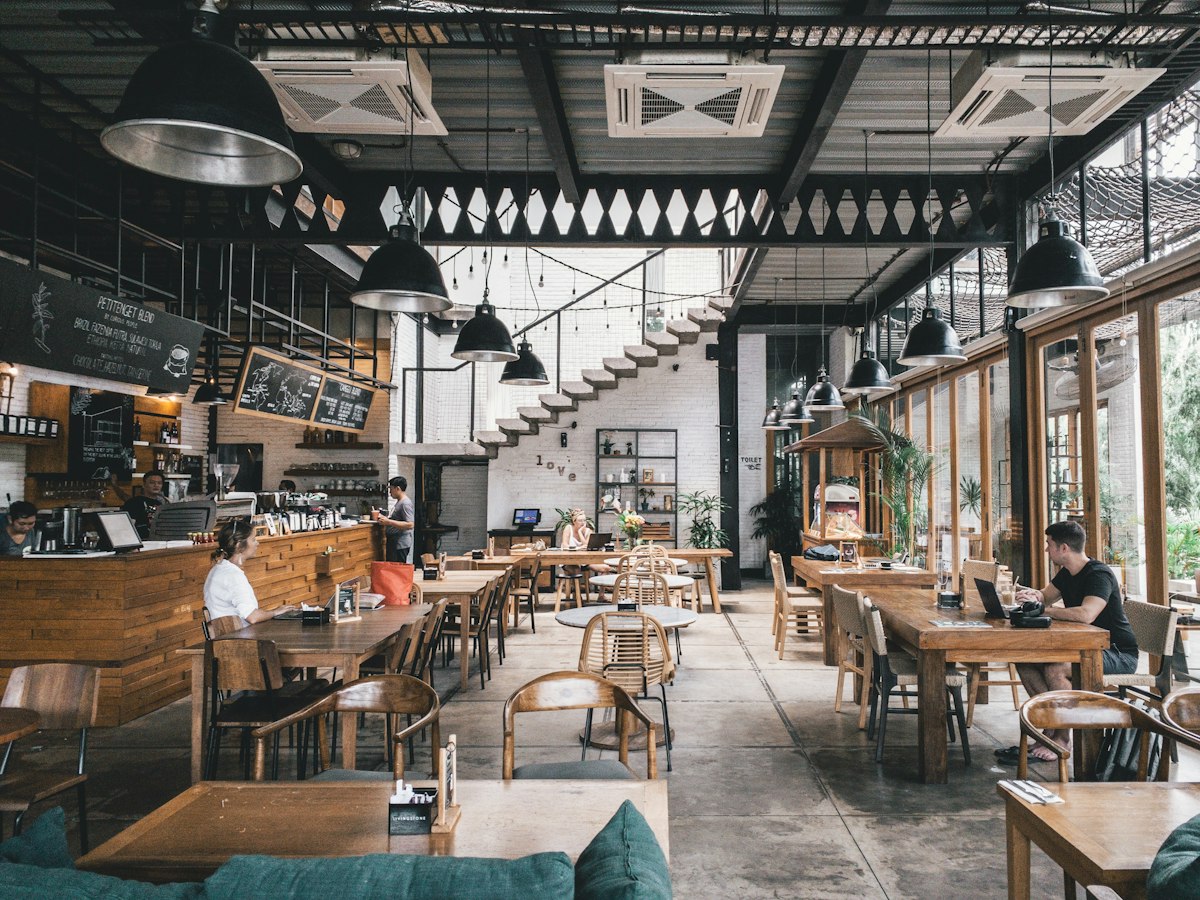
If Korean street food had a ambassador, it would undoubtedly be tteokbokki. These glossy, fire-engine-red rice cakes swimming in sweet-spicy gochujang sauce have journeyed from their humble origins in Seoul’s Sindang-dong neighborhood to become a fixture in food courts from Dubai to São Paulo.
The tteokbokki global trend isn’t accidental—it’s a masterclass in cross-cultural food appeal. The dish checks every box for international success: its chewy, almost addictive texture offers a mouthfeel unfamiliar to Western palates (in the best way possible); its spice level is easily customizable from mild to “why-did-I-do-this” hot; and that vibrant red color is Instagram gold. One bite delivers sweet, spicy, savory, and umami notes in perfect harmony, creating what food scientists call “flavor layering”—the secret behind the world’s most craveable dishes.
But tteokbokki’s appeal runs deeper than taste. In Korean culture, it’s the ultimate comfort food—what Koreans reach for after a brutal exam, a heartbreak, or simply a rainy Tuesday. It’s street food democracy at its finest: affordable, filling, and enjoyed by everyone from students to CEOs. This emotional resonance translates universally, which explains why international chains are betting big on it.
Mokbar, founded by Esther Choi in New York, has expanded to seven locations across the US, with plans for 15 more by year’s end. Their signature “Mokbar Tteokbokki” features the traditional rice cakes alongside ramen noodles, fish cakes, and a soft-boiled egg—a fusion that honors tradition while catering to Western expectations of portion size. In London, Bunsik has become a phenomenon, with their cheese-topped tteokbokki selling over 2,000 portions weekly. Meanwhile, Jongro Tteokbokki has opened 43 international franchises since 2024, from Singapore to Toronto, standardizing the experience while maintaining authentic Seoul flavors.
The sensory experience is unforgettable: Watch as the vendor tosses those cylindrical rice cakes into a bubbling pan of crimson sauce. The aroma hits first—sweet, pungent gochujang mingling with garlic and sesame. Then comes the visual theater: the sauce thickening, coating each rice cake in glossy perfection. Your first bite offers resistance before yielding to that signature chew, followed by a wave of heat that builds gradually, balanced by subtle sweetness. It’s comfort and excitement in one bowl—and it’s why tteokbokki where to buy has become one of the most-searched food queries of 2026. 🍢
[IMAGE: Close-up of glossy tteokbokki in a traditional Korean street food container, with melted cheese stretching from chopsticks, steam rising]
Hotteok: The Sweet Pancake Winning Hearts in Cold Climates
If tteokbokki is Korean street food’s spicy ambassador, hotteok is its warm, sweet embrace. This golden-brown pancake, crispy on the outside and oozing with molten brown sugar, cinnamon, and crushed peanuts, has found particular success in colder climates where its winter-warming properties resonate deeply.
The hotteok international expansion story is fascinating because it required minimal adaptation. Unlike many Korean dishes that needed spice-level adjustments or flavor modifications, hotteok’s appeal proved nearly universal. There’s something primal about holding a paper cup containing a hot, sweet pancake on a cold day—it’s a comfort that transcends culture. Canadians in Toronto’s Koreatown line up for it during winter months; Norwegians in Oslo have embraced it as an alternative to their traditional svele; and in Melbourne, hotteok vendors do brisk business during the Australian winter.
But innovation has certainly played a role in hotteok’s global success. While the traditional brown sugar filling (called ssiat hotteok) remains the gold standard, creative vendors have introduced variations that cater to local tastes while maintaining the dish’s Korean identity. Chocolate hotteok appeals to younger audiences; savory versions filled with cheese, vegetables, and even pizza toppings have found fans in Europe; and premium versions featuring Nutella, matcha cream, or red bean paste attract adventurous eaters willing to pay $6-8 for an elevated street food experience.
Yet perhaps hotteok’s greatest asset is the theater of its preparation. Watching a skilled vendor is mesmerizing: they pour batter onto a hot griddle, add the filling, fold the edges, then press it flat with a circular press, creating that signature crispy exterior while sealing the sweet filling inside. The sizzle, the aroma of caramelizing sugar and toasted dough, the anticipation as you wait for it to cool just enough to bite without burning your mouth—it’s experiential food at its finest.
Compared to churros or crepes, hotteok offers something distinct: it’s denser and more substantial than a crepe, less oily than a churro, and uniquely textured with its crispy-chewy contrast. It’s also more affordable than most Western street desserts while feeling more indulgent. This combination of novelty, value, and satisfaction has made hotteok a cold-weather staple in cities worldwide.
The emotional connection runs deep. In Korea, hotteok is what parents buy their children at winter festivals; it’s what couples share on cold dates; it’s nostalgia made edible. That emotional authenticity translates globally, turning first-time triers into devoted fans who seek out hotteok vendors wherever they travel. 🥞✨
[IMAGE: Vendor pressing hotteok on a griddle with a metal press, steam rising, with golden-brown finished hotteok in paper cups in the foreground]
Beyond the Classics: Emerging Korean Street Food Stars
Photo by Brooke Lark on Unsplash
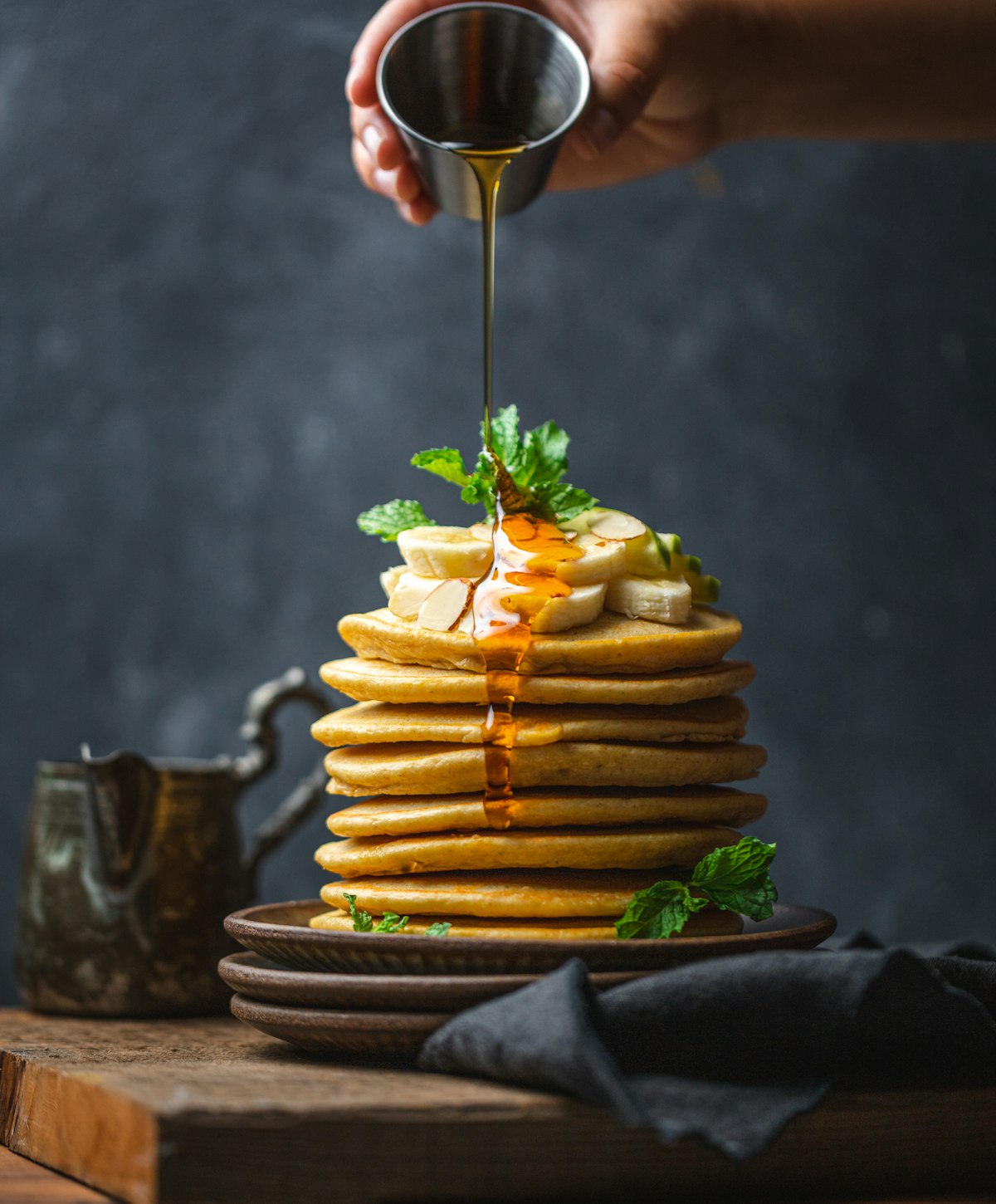
While tteokbokki and hotteok lead the Korean street food trend 2026, they’re far from alone. A new wave of Korean snacks worldwide is capturing imaginations and Instagram feeds with equal fervor.
Korean Corn Dogs (Gamja Hotdog) have become the poster child for Korean street food innovation. Unlike American corn dogs, these are coated in a yeasted batter, rolled in crispy toppings like panko breadcrumbs or diced potatoes, deep-fried to golden perfection, then drizzled with ketchup and mustard in artistic patterns. The result? A textural wonderland—crunchy exterior, soft batter, stretchy mozzarella or hot dog center—that’s endlessly customizable. Chains like Myungrang Hot Dog and Two Hands Corn Dog have expanded across the US and Australia, with some locations selling over 1,000 corn dogs daily. Their visual appeal (especially the mozzarella cheese pull) has made them TikTok sensations, with #KoreanCornDog videos garnering 2.3 billion views.
Bungeoppang (fish-shaped pastries) tap into kawaii culture and childhood nostalgia simultaneously. These fish-shaped waffles, traditionally filled with sweet red bean paste but now available in custard, Nutella, or pizza flavors, are both adorable and delicious. Their whimsical appearance makes them highly shareable on social media, while their comforting taste keeps customers returning. In Japan and Taiwan, bungeoppang vendors have become tourist attractions in their own right.
Tornado Potatoes prove that Korean street food vendors are masters of food engineering. A whole potato is spiralized onto a skewer, deep-fried until crispy, then seasoned with everything from cheese powder to honey butter to spicy gochugaru. The result is a crispy, salty, infinitely Instagrammable snack that’s part chip, part fry, all addictive. Their visual novelty has made them festival favorites across Europe and North America.
Kimbap, while not traditionally street food, has been reborn as grab-and-go fare in international markets. These rice rolls filled with vegetables, egg, and protein offer a healthier alternative to sushi while being more flavorful and affordable. Chains like Kimbap Heaven (with locations in LA, Seattle, and Vancouver) and Gimbap Cheonguk have standardized quality while offering creative variations like bulgogi kimbap, tuna mayo kimbap, and vegetarian options that appeal to health-conscious Gen Z consumers.
What unites these emerging stars? They’re all highly visual (crucial for social media virality), offer textural interest (crunch, chew, stretch), balance familiar and novel elements, and deliver flavor intensity at affordable prices. They represent the breadth of Korean food culture—sweet and savory, traditional and innovative, simple and complex. 🌟
[IMAGE: Flat lay of various Korean street foods including colorful Korean corn dogs, bungeoppang, tornado potatoes, and kimbap rolls arranged artistically]
The Perfect Storm: Why Now? Analyzing the 2026 Phenomenon
The Korean street food trend 2026 didn’t emerge from nowhere—it’s the result of multiple converging cultural, economic, and technological factors creating what trend analysts call a “perfect storm moment.”
Post-Pandemic Adventurous Eating: COVID-19 fundamentally changed how people approach food. After years of cooking at home and limited dining options, consumers emerged hungry for novel experiences. But rather than returning to expensive restaurants, many gravitated toward street food’s authenticity and accessibility. A 2025 Mintel study found that 67% of Gen Z and Millennials now prefer “authentic street food experiences” over fine dining, viewing them as more genuine and culturally enriching. Korean street food, with its bold flavors and cultural storytelling, perfectly satisfies this craving.
K-Culture’s Sustained Global Dominance: The Korean Wave (Hallyu) has matured from a trend into a permanent fixture of global culture. K-pop groups like BTS and BLACKPINK, K-dramas on Netflix, Korean cinema (remember Parasite?), and K-beauty have created what cultural anthropologists call “cultural curiosity”—a genuine desire to understand and experience Korean culture beyond entertainment. Food becomes the most accessible entry point. When fans see their favorite K-drama characters enjoying tteokbokki or hotteok, they want to taste what they’re experiencing. This isn’t cultural appropriation; it’s cultural appreciation driven by authentic interest.
Gen Z’s Experiential Priorities: This generation values experiences over possessions, authenticity over polish, and shareability over exclusivity. Korean street food delivers on all fronts. It’s affordable enough for regular indulgence ($5-10 per item), photogenic enough to warrant Instagram posts, and culturally meaningful enough to feel like more than just eating—it’s cultural participation. According to a 2026 Euromonitor report, 73% of Gen Z consumers actively seek out “ethnic street foods” as a form of cultural education and social currency.
Social Media as Discovery Engine: TikTok, Instagram, and YouTube have fundamentally changed food discovery. A viral video can transform an obscure dish into a must-try phenomenon overnight. Korean street food’s visual drama—cheese pulls, spicy red sauces, spiral potatoes, steam rising from winter snacks—is algorithmically optimized for engagement. Food creators have discovered that Korean street food content consistently outperforms other cuisines in views and shares. This creates a self-reinforcing cycle: viral content drives demand, which encourages more vendors, which generates more content.
Economic Accessibility: In an era of inflation and economic uncertainty, Korean street food offers exceptional value. For $8-12, you get a filling, flavorful, Instagram-worthy meal—far less than casual dining alternatives. This democratization of interesting food experiences resonates particularly with younger consumers managing tight budgets but unwilling to sacrifice culinary adventure.
Supply Chain Maturation: Finally, the infrastructure now exists to support global expansion. Korean food suppliers have established international distribution networks; gochujang and gochugaru are available in mainstream supermarkets; and franchising models have been refined to maintain quality across locations. What was once logistically challenging is now operationally feasible.
Dr. Sarah Kim, a food anthropologist at UCLA, explains: “Korean street food succeeds because it occupies a sweet spot: familiar enough not to intimidate, different enough to excite, affordable enough for regular consumption, and culturally meaningful enough to feel like discovery rather than just eating.”
This convergence explains why 2026 is the breakthrough year—all necessary conditions have simultaneously matured. 📊🔥
[IMAGE: Infographic showing the convergence factors with icons and statistics: K-culture influence, social media metrics, Gen Z preferences, economic factors]
From Seoul Streets to Your City: Where to Find Authentic Korean Street Food
Photo by Jay Wennington on Unsplash
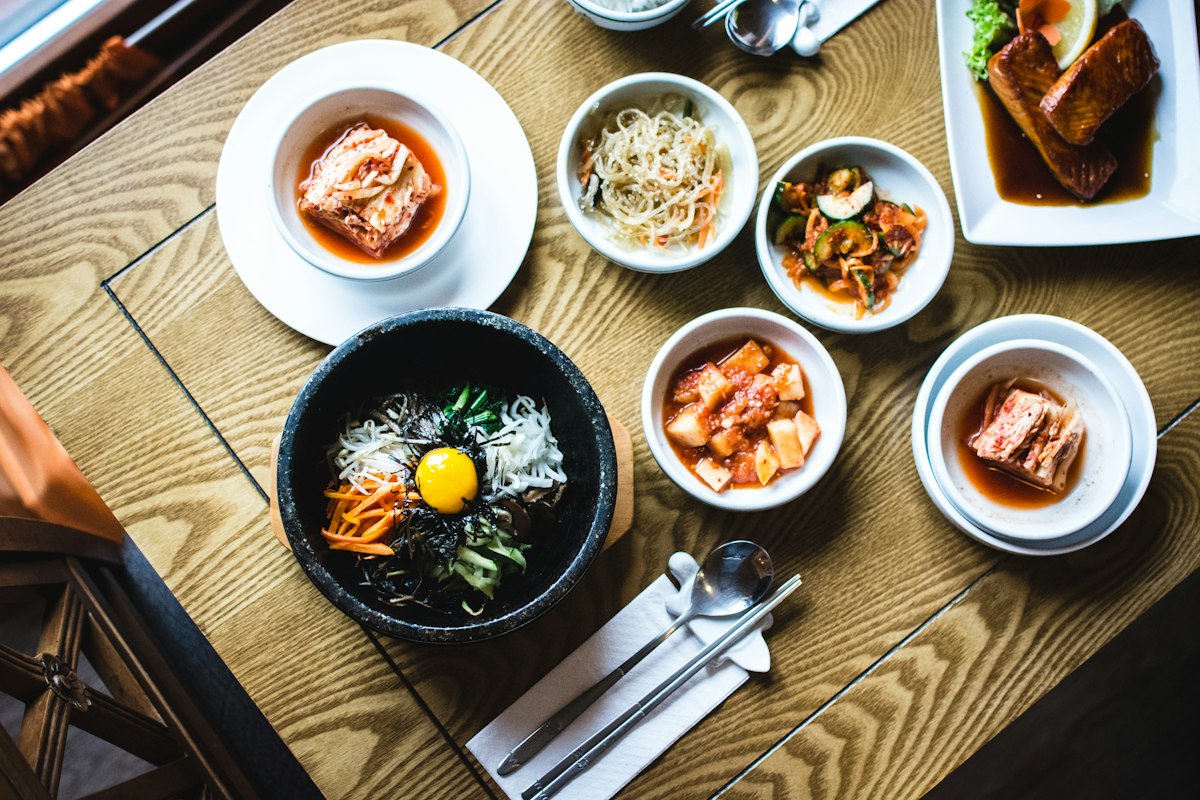
Ready to join the K-food phenomenon? Here’s your practical guide to finding authentic Korean street food, whether you’re in Seoul or Seattle.
Major Cities with Thriving Korean Street Food Scenes:
Seoul, South Korea (Obviously!): The epicenter remains unmatched. Head to Myeongdong for tourist-friendly street food variety; Gwangjang Market for traditional experiences (the bindaetteok and mayak kimbap are legendary); Hongdae for trendy, innovative vendors; and Sindang-dong for tteokbokki’s spiritual home. Pro tip: Go hungry and bring cash—many vendors don’t accept cards.
Los Angeles, USA: Koreatown remains America’s Korean food capital. Chapman Plaza hosts multiple street food vendors on weekends; Myungrang Hot Dog on Western Ave serves some of the best Korean corn dogs outside Korea; and Kang Ho-dong Baekjeong offers traditional street food alongside BBQ. The 626 Night Market (when running) features dozens of Korean street food vendors.
London, UK: New Malden hosts Europe’s largest Korean community. Bunsik in Soho has become the go-to for tteokbokki; Ong Gie in New Malden offers authentic street food in a casual setting; and K-Town Korean Street Food in Camden Market brings the street food experience to one of London’s most vibrant markets.
Toronto, Canada: Christie Pits and North York host thriving Korean communities. Chungchun Rice Hot Dog has multiple locations serving authentic Korean corn dogs; Kpop Rice Bar offers modern takes on kimbap; and Mymy Chicken serves Korean fried chicken alongside street food classics.
Sydney, Australia: Strathfield’s Korean district is street food heaven. Bing Boy serves exceptional Korean corn dogs; Dons Bogam offers traditional street food; and Gimbap Station has become a local institution for kimbap and tteokbokki.
Identifying Authentic Vendors:
Look for these authenticity markers:
– Korean language signage (even if there’s English translation)
– Korean customers (if locals eat there, it’s usually legit)
– Limited menu focusing on specific items (specialists over generalists)
– Visible kitchen where you can watch preparation
– Proper Korean ingredients (real gochujang, not Sriracha substitutes)
First-Time Order Recommendations:
Start with the classics: Order tteokbokki at mild or medium spice level first (you can always go hotter next time). Try hotteok with traditional brown sugar filling before experimental versions. For Korean corn dogs, the potato-coated mozzarella version offers the full textural experience. Don’t skip the fish cakes (eomuk) if available—they’re underrated and delicious.
Cultural Etiquette Notes:
Korean street food culture is wonderfully casual, but a few etiquette tips enhance the experience:
– It’s normal to eat standing or at communal tables
– Sharing is encouraged—order several items and try everything
– Slurping is acceptable and even expected with noodles
– Return your trash to designated bins (Koreans take cleanliness seriously)
– Cash is often preferred, especially at traditional vendors
Making It at Home:
Can’t find authentic vendors nearby? The best Korean street food can be recreated at home with proper ingredients:
For ingredients: H Mart (if available in your area) is the gold standard for Korean groceries. Online, Weee!, Yamibuy, and Amazon carry Korean essentials like gochujang, gochugaru, rice cakes, and Korean fish cakes.
For recipes: Maangchi (YouTube and website) offers the most reliable, authentic Korean recipes in English. Korean Bapsang and Beyond Kimchee provide excellent written recipes with cultural context. Future Neighbor on YouTube shows modern, achievable takes on traditional dishes.
Starter kit essentials: Gochujang (Korean red pepper paste), gochugaru (Korean red pepper flakes), rice cakes for tteokbokki, Korean fish cakes, sesame oil, and Korean corn syrup (mulyeot or jocheong). These basics unlock dozens of street food recipes.
The beauty of Korean street food is its accessibility—whether you’re eating from a Seoul street cart, a London food court, or your own kitchen, the flavors transport you to Korea’s vibrant street food culture. 🍜🥢
[IMAGE: Map graphic showing major cities with Korean street food scenes, with iconic dishes and vendor names marked at each location]
The Future of Korean Street Food: What’s Next?
As we look beyond 2026, the Korean street food trend shows no signs of slowing—instead, it’s evolving in fascinating directions that suggest this phenomenon has staying power.
Sustainability Meets Tradition: The next wave of Korean street food vendors is embracing sustainability without sacrificing authenticity. In Seoul, vendors are transitioning to biodegradable containers made from rice husks; food waste is being composted; and plant-based versions of classics are emerging. Plant Punk, a Seoul-based chain, has developed vegan tteokbokki using mushroom-based fish cakes and plant-based rice cakes that even traditionalists admit taste remarkably authentic. This eco-conscious approach is particularly resonating with Gen Z consumers who want their food choices to reflect their values. Expect to see carbon-neutral street food carts and zero-waste Korean food trucks becoming the norm by 2028.
Fusion Innovation on the Horizon: Korean street food’s next chapter involves creative fusion that respects tradition while pushing boundaries. We’re already seeing Korean-Mexican mashups (kimchi quesadillas, gochujang-spiced tacos with tteokbokki filling) gaining traction in California. Korean-Italian combinations are emerging in New York (tteokbokki carbonara, anyone?). And Korean-Middle Eastern fusion is finding fans in London (falafel kimbap, za’atar-spiced hotteok). These aren’t gimmicks—they’re thoughtful combinations that highlight complementary flavor profiles and techniques.
Technology-Enhanced Experiences: Smart vending machines dispensing fresh tteokbokki and kimbap are already operating in Seoul’s subway stations; expect this technology to spread globally. Ghost kitchens specializing in Korean street food are optimizing delivery experiences. And AR apps that teach proper eating techniques and provide cultural context are enhancing the educational aspect of Korean street food consumption.
Dishes to Watch: Several Korean street foods are poised for breakout moments:
– Gimbap is being repositioned as the “better sushi roll”—more flavorful, more affordable, more filling
– Korean fried chicken (technically street food in Korea) continues its global expansion with unique flavors like soy garlic and yangnyeom
– Sundae (Korean blood sausage) is finding adventurous eaters willing to try this traditional delicacy
– Dalgona (the honeycomb candy from Squid Game) has already gone viral and vendors are capitalizing on its recognition
– Eomuk (Korean fish cakes) are being reimagined as protein-rich, affordable street food for health-conscious consumers
Regional Specialization: As the market matures, we’ll see vendors specializing in regional Korean street food styles—Busan’s ssiat hotteok (seed-filled hotteok), Jeonju’s bean sprout kimbap, Gangwon’s potato-based snacks. This regional diversification will deepen global understanding of Korean culinary diversity.
Premium Street Food: Just as burgers evolved from fast food to gourmet, Korean street food is experiencing premiumization. Upscale versions using premium ingredients (think: truffle tteokbokki, wagyu beef kimbap, artisanal hotteok with imported chocolate) are attracting foodies willing to pay $15-25 for elevated street food experiences. This isn’t replacing traditional street food but expanding the category’s reach.
Cultural Education Integration: Forward-thinking vendors are incorporating cultural education into the experience—QR codes linking to videos about dish origins, staff trained to share cultural context, and events celebrating Korean holidays with special menu items. This transforms eating from transaction to cultural exchange.
The trajectory is clear: Korean street food is evolving from trend to permanent fixture of global food culture. It’s following the path blazed by pizza, tacos, and sushi—foreign foods that became so integrated into global cuisine that they’re no longer considered “ethnic” but simply delicious food that happens to have Korean origins.
As chef David Chang noted in a 2026 interview: “Korean street food is doing what Korean culture does best—staying true to its roots while being incredibly adaptive and innovative. That’s why it’s not going anywhere.” 🚀🌏
[IMAGE: Futuristic concept image showing sustainable Korean street food cart with solar panels, biodegradable containers, and digital menu screens, alongside traditional preparation methods]
Join the Korean Street Food Revolution
The Korean street food trend 2026 represents more than just food going viral—it’s a cultural moment where accessibility meets authenticity, tradition embraces innovation, and global communities connect through shared culinary experiences.
From the spicy, comforting embrace of tteokbokki to the sweet warmth of hotteok, from the playful creativity of Korean corn dogs to the wholesome satisfaction of kimbap, Korean street food offers something for everyone. It’s affordable enough for students, interesting enough for foodies, photogenic enough for influencers, and culturally meaningful enough for those seeking authentic experiences.
The beauty of this phenomenon is its inclusivity. You don’t need to be Korean to appreciate Korean street food; you just need to be curious, hungry, and open to new experiences. Every bite connects you to centuries of Korean culinary tradition, to the ajummas (Korean aunties) who perfected these recipes, to the street vendors who wake up before dawn to prepare fresh ingredients, and to millions of people worldwide who are discovering these flavors for the first time.
So here’s your call to action: Find a Korean street food vendor in your city this week. Start with tteokbokki or hotteok—the gateway drugs of K-food. Take a photo (it’s mandatory, really). Share your experience on social media with #KoreanStreetFood. Try something you can’t pronounce. Ask questions. Embrace the heat, the sweetness, the unfamiliar textures.
And if you can’t find authentic Korean street food nearby? Make it at home. The recipes are accessible, the ingredients are increasingly available, and the process of cooking Korean food is its own reward—filling your kitchen with those incredible aromas, mastering new techniques, and sharing the results with friends and family.
Want to stay ahead of global food trends? Subscribe to our newsletter for weekly updates on emerging cuisines, vendor recommendations, recipes, and cultural insights. Join our community of food adventurers exploring the world one bite at a time.
Korean street food’s journey from Seoul’s back alleys to global food courts is just beginning. The question isn’t whether this trend will continue—it’s which dish will be the next to capture the world’s imagination. Will you be there to taste it when it does?
The Korean street food revolution is here. Pull up a plastic stool, grab your chopsticks, and dig in. Your taste buds will thank you. 🔥🍢🇰🇷
Now it’s your turn: What’s your favorite Korean street food? Have you tried making any at home? Share your experiences in the comments below—we love hearing your stories!
Craving more Korean food content? Check out our guides to Korean BBQ essentials, the best Korean fried chicken in America, and how to build the ultimate Korean pantry. And don’t forget to follow us on Instagram [@YourBlogHandle] for daily food inspiration from around the world.
