







TL;DR — Key Takeaways
- Why Seoul’s Best-Kept Secrets Are No Longer in Guidebooks
- 1. Ikseon-dong (익선동): Where Hanok Houses Meet Millennial Aesthetics
- 2. Mangwon (망원): Seoul’s Last Authentic Neighborhood Market
- 3. Seongsu-dong (성수동): Seoul’s Brooklyn Moment
- 4. Euljiro (을지로): Retro Seoul’s Beating Heart
Why Seoul’s Best-Kept Secrets Are No Longer in Guidebooks
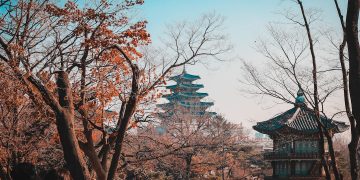
Photo by Yu Kato on Unsplash

Picture this: while thousands of tourists jostle for selfie space at Myeongdong’s cosmetic shops or queue for hours at Gangnam’s celebrity-owned restaurants, Seoul locals are sipping artisan coffee in converted shoe factories, exploring retro print shops turned cocktail bars, and strolling through hanok alleyways that Instagram hasn’t quite discovered yet.
The truth? The Seoul you see in guidebooks isn’t the Seoul that Koreans actually live in. 🏙️
In 2026, savvy travelers are ditching the tourist trail for something far more valuable: authentic local experiences. The Korean concept of “동네 사랑” (dongne sarang—neighborhood love) has transformed how people explore cities, and Seoul’s hidden neighborhoods are leading this cultural shift. These aren’t just “off the beaten path” spots—they’re living, breathing communities where traditional charm collides with cutting-edge creativity, where grandmother’s kimchi stew shop sits next door to a minimalist concept café, and where you’ll finally understand why locals roll their eyes when tourists say they’ve “seen all of Seoul.”
Ready to explore the hidden neighborhoods Seoul 2026 travelers are whispering about? Let’s dive into ten local favorites that offer everything guidebooks promise but rarely deliver: genuine Korean culture, Instagram-worthy moments without the crowds, and stories you’ll actually want to tell when you get home.
[IMAGE: Aerial view of Seoul’s diverse neighborhoods at golden hour, showing contrast between modern skyscrapers and traditional low-rise areas]
1. Ikseon-dong (익선동): Where Hanok Houses Meet Millennial Aesthetics
Photo by Y K on Unsplash

The Neighborhood That Perfected “Traditional Meets Trendy”
Tucked between the corporate towers of Jongno, Ikseon-dong Seoul feels like stumbling into a time portal—if that portal led to the most photogenic intersection of 1920s Korea and 2026 café culture. This tiny maze of narrow alleyways is Seoul’s oldest hanok neighborhood, but don’t expect dusty museums. Instead, you’ll find traditional wooden houses transformed into boutique cafés, craft cocktail bars, and concept stores that make your Instagram feed look instantly more sophisticated. ✨
The magic happens in the details: century-old wooden beams frame modern espresso machines, traditional courtyard gardens become outdoor seating areas, and the curved tile roofs (giwa) that once sheltered aristocrats now shelter twenty-somethings debating which matcha latte looks better on camera. Seoul local neighborhoods don’t get more charming than this.
Must-Visit Spots:
– Ikseongak: A hanok café where traditional tea ceremonies meet specialty coffee
– Onsaemiro: Vintage clothing boutique in a restored 1930s house
– Dongbaekyang: Retro Korean-Chinese restaurant that locals have loved for decades
– The Picker: Vinyl bar where you can request songs from an extensive collection
Local Secret: Visit on weekday mornings (9-11 AM) when the neighborhood belongs to elderly residents doing their morning routines and café owners preparing for the day. You’ll see the authentic neighborhood life before the afternoon Instagram rush. The golden hour (5-6 PM) offers the best lighting for photos, but expect crowds.
Why Locals Love It: Young Koreans, especially couples, flock here for dates because it offers something rare in Seoul—intimacy. The narrow alleys create natural privacy, the hanok architecture provides endless photo opportunities, and the neighborhood’s small scale means you can explore everything in 2-3 hours, leaving time for dinner elsewhere.
Getting There: Jongno 3-ga Station (Lines 1, 3, 5), Exit 4. Walk 5 minutes toward Nakwon Music Arcade.
[IMAGE: Narrow alley in Ikseon-dong with traditional hanok buildings converted into modern cafés, string lights overhead, golden hour lighting]
2. Mangwon (망원): Seoul’s Last Authentic Neighborhood Market
Photo by Ciaran O’Brien on Unsplash

Where Grandmothers and Gen Z Shop Side-by-Side
If you want to understand why Mangwon Seoul has become the darling of young Koreans seeking authenticity, arrive on a Saturday morning around 10 AM. The market is in full swing: elderly vendors selling seasonal vegetables they grew themselves, the tteokbokki lady who’s occupied the same corner for thirty years, and increasingly, young entrepreneurs opening tiny storefronts selling handmade ceramics and natural wine.
This is Seoul off the beaten path at its finest—a neighborhood that hasn’t been sanitized for tourism. The Mangwon Market still serves its original purpose: feeding local families. But woven into this traditional fabric is a new generation of indie shops, specialty coffee roasters, and small restaurants run by chefs who left Gangnam’s high-pressure kitchens for something more meaningful.
Must-Experience:
– Mangwon Market: Arrive hungry. Try the kimbap lady’s rolls (₩3,000), the bindaetteok (mung bean pancakes) at the entrance, and whatever the ajummas are grilling on street corners
– Cafe Mangwon: Third-wave coffee spot that sources beans directly from Korean farms
– Mangwon Hangang Park: Locals’ favorite riverside spot for fried chicken and sunset views
– Dongjin Market: The smaller, even more local market next door
Local Secret: The real treasure is the side streets branching off from the market. Small restaurants here serve incredible food at prices that would shock Gangnam residents—think ₩8,000 for lunch sets that would cost ₩15,000 elsewhere. Look for places with handwritten menus and elderly owners; they’re usually the best.
Why Young Seoulites Are Moving Here: Affordable rent (relatively speaking), genuine community feel, and proximity to the Han River without Gangnam prices. It’s where millennials and Gen Z can actually afford to live while maintaining quality of life. The neighborhood represents a rejection of Seoul’s hyper-competitive culture in favor of slower, more intentional living.
Getting There: Mangwon Station (Line 6), Exit 1. The market is immediately visible.
Pro Tip: Combine Mangwon with Yeonnam-dong (next on our list)—they’re adjacent neighborhoods connected by Gyeongui Line Forest Park. Perfect for a full day of local exploration.
[IMAGE: Bustling Mangwon Market scene with colorful vegetable stalls, elderly vendors, and young shoppers with reusable bags]
3. Seongsu-dong (성수동): Seoul’s Brooklyn Moment
Photo by Elliot Gouy on Unsplash

From Shoe Factories to Seoul’s Coolest Creative Hub
Seongsu-dong cafes have become synonymous with industrial-chic aesthetics, and for good reason. This former manufacturing district—specifically shoe production—has transformed into what locals call “Seoul’s Brooklyn,” though that comparison doesn’t quite capture its unique Korean character.
The neighborhood’s appeal lies in its authenticity: these aren’t faux-industrial spaces designed to look edgy. They’re actual factories and warehouses converted by designers who respected the original architecture. Exposed brick isn’t a design choice here—it’s what was already there. The massive windows that flood spaces with light? They were installed decades ago for factory workers. This is authentic Seoul travel in its purest form. 🏭
Must-Visit Spots:
– Daelim Warehouse: Massive former warehouse now housing cafés, galleries, and pop-up spaces
– Onion Seongsu: The bakery that launched a thousand Instagram posts, famous for its angelhair bread
– Lcdc Seoul: Multi-brand fashion store in a converted factory
– Felt Coffee: Minimalist café in an old shoe workshop
– Seongsu Yeonbang: Vintage clothing and lifestyle shop that defines the neighborhood’s aesthetic
The Influencer Effect: Every Seoul influencer has shot content here, but somehow Seongsu hasn’t lost its soul. Maybe it’s because actual businesses still operate alongside the trendy cafés—you’ll see textile workers on smoke breaks next to fashion editors, metalworking shops beside natural wine bars. The neighborhood maintains its working-class roots even as it gentrifies.
Local Secret: Visit on weekdays to avoid weekend crowds. The neighborhood truly shines Tuesday through Thursday when you can actually get a seat at popular cafés. Also, explore the streets behind the main drag (Seongsu-dong 2-ga)—that’s where locals go, and where you’ll find the next wave of openings before they blow up on Instagram.
Why It’s Perfect for 2026 Travelers: Seongsu represents where Seoul is heading—respecting history while embracing innovation, maintaining authenticity while attracting creativity, and proving that neighborhoods can evolve without erasing their identity. It’s also incredibly photogenic without feeling like a theme park.
Getting There: Seongsu Station (Line 2), Exit 3. Walk toward Seoul Forest direction.
Combination Tip: Pair with Seoul Forest for a full day—the massive urban park is a 10-minute walk and offers a nature break between café hopping.
[IMAGE: Interior of converted factory café in Seongsu-dong with high ceilings, exposed brick, massive windows, and industrial furniture]
4. Euljiro (을지로): Retro Seoul’s Beating Heart
Where Print Shops Meet Speakeasies
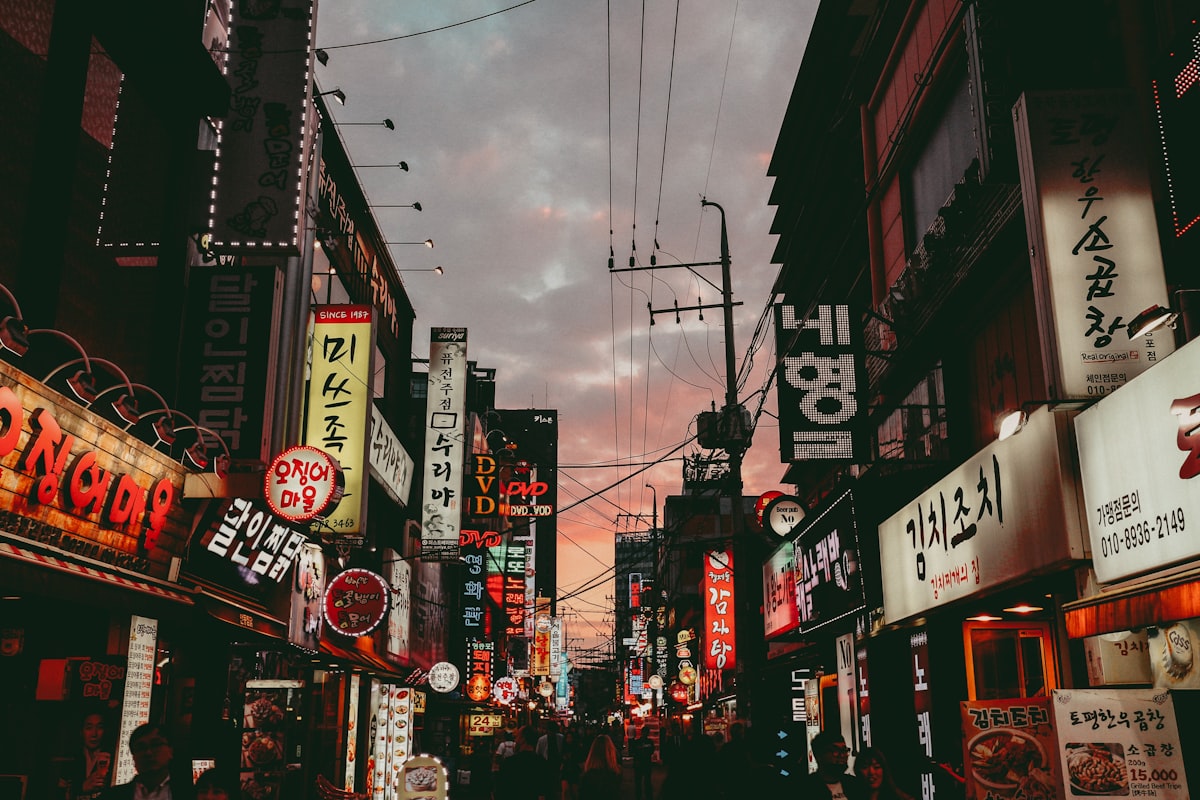
Euljiro retro bars have sparked what locals call the “Euljiro Boom”—a cultural phenomenon where young Koreans flock to this gritty, industrial district seeking something their generation never experienced: analog Seoul. During the day, Euljiro remains what it’s been for decades: a working district of print shops, metalworking businesses, lighting stores, and tool suppliers. But after 6 PM, hidden bars, galleries, and restaurants emerge from the industrial landscape like secrets waiting to be discovered.
The neighborhood’s appeal is visceral. Neon signs flicker above narrow alleys. The smell of metal and ink mingles with craft beer and grilled meat. Elderly craftsmen who’ve worked the same shop for forty years drink soju next to designers who discovered Euljiro last month. This isn’t manufactured nostalgia—it’s living history. 🍺
Must-Experience:
– Euljiro Nogari Alley: Narrow alley packed with pojangmacha (street tents) serving nogari (dried pollack) and endless soju
– Seun Sangga: Massive 1960s shopping arcade that’s become an architectural icon and art space
– Beer OK: Craft beer bar hidden in a former print shop
– Gwangjang Market (nearby): Seoul’s most famous traditional market, perfect for bindaetteok and mayak kimbap
– The hidden rooftop bars: Ask locals or bartenders—these speakeasy-style spots don’t advertise
The Nostalgia Factor: For older Koreans, Euljiro represents Seoul’s industrial boom era. For younger generations who only know digital Korea, it’s exotic—a glimpse into their parents’ Seoul. This generational intersection creates unique energy you won’t find in newer neighborhoods.
Local Secret: The best experiences happen when you get lost. Wander the numbered alleys (Euljiro 3-ga, 4-ga, 5-ga) without a plan. Duck into random bars where ajusshis (middle-aged men) are the only customers—they’ll usually welcome you warmly, especially if you attempt Korean. Some of the best nights in Seoul happen in places with no Instagram presence.
Why the “Euljiro Boom” Matters: This trend represents young Koreans’ desire to connect with pre-digital culture, to experience spaces that aren’t optimized for social media, to find authenticity in a city that sometimes feels too polished. It’s also a form of preservation—the attention has helped save buildings slated for demolition.
Getting There: Euljiro 3-ga Station (Lines 2, 3), multiple exits depending on where you’re headed. Exit 8 for Nogari Alley.
Important Note: Euljiro is gentrifying rapidly. Visit soon to experience it before it becomes another sanitized tourist zone. Also, respect the working businesses—this is people’s livelihood, not a theme park.
[IMAGE: Euljiro alley at night with neon signs, steam rising from street food stalls, mix of elderly locals and young visitors]
5. Yeonnam-dong (연남동): Hongdae’s Sophisticated Younger Sibling
Weekend Brunch Culture and Indie Charm
While tourists crowd Hongdae’s main streets, locals escape to Yeonnam-dong, just a 10-minute walk away but worlds apart in atmosphere. If Hongdae is the loud, energetic friend who parties until dawn, Yeonnam is the creative, thoughtful one who hosts intimate dinner parties and collects vinyl records. This neighborhood has mastered the art of being cool without trying too hard. ☕
The transformation centers around Gyeongui Line Forest Park—a decommissioned railway line converted into a 6.3km linear park that slices through the neighborhood. On weekends, this becomes Seoul’s outdoor living room: couples picnic on the grass, friends play guitar under trees, and the cafés and restaurants lining both sides buzz with brunch crowds.
Must-Visit Spots:
– Gyeongui Line Forest Park: Start here and let the park guide your exploration
– Café Yeonnam-dong 239-20: Famous for its 2D cartoon-style interior that looks like you’ve stepped into an illustration
– Pongdang Pongdang: Bookstore-café combo that locals love for rainy afternoons
– Yeonnam Bangagan: Traditional Korean dessert café serving patbingsu and traditional teas
– The indie boutiques along Dongjin Market: Small shops selling handmade jewelry, ceramics, and clothing
The Brunch Scene: Yeonnam might have Seoul’s best brunch culture. Unlike Gangnam’s expensive, showy brunch spots, Yeonnam’s restaurants focus on quality ingredients, creative menus, and reasonable prices. Expect to wait 30-60 minutes on weekend mornings at popular spots—locals consider this part of the experience, chatting with friends while sipping takeaway coffee.
Local Secret: Visit on weekday evenings (Tuesday-Thursday) for a completely different vibe. The weekend brunch crowds disappear, revealing the neighborhood’s residential character. Small wine bars and restaurants that are impossible to get into on weekends suddenly have tables available. You’ll see the Yeonnam that locals experience daily.
Why Young Koreans Love It: Yeonnam represents achievable cool—it’s trendy but not intimidating, creative but not pretentious, Instagram-worthy but still functional as a neighborhood. It’s where people actually live, not just visit for photos. The proximity to Hongdae’s energy with Yeonnam’s calm creates perfect balance.
Getting There: Hongik University Station (Line 2), Exit 3. Walk toward Gyeongui Line Forest Park (10 minutes). Alternatively, Donggyo Station (Line 6), Exit 3.
Perfect Day Combination: Start with brunch in Yeonnam, walk through the forest park to Mangwon Market for afternoon snacks, then catch sunset at Mangwon Hangang Park. This route showcases hidden neighborhoods Seoul 2026 travelers should prioritize.
[IMAGE: Gyeongui Line Forest Park with people relaxing on grass, tree-lined pathway, cafés visible on both sides]
6. Haebangchon (해방촌): Seoul’s Multicultural Hillside Haven
Where Post-War History Meets Global Flavors
Climb the steep streets of Haebangchon (Liberation Village) and you’ll understand why locals call it Seoul’s most interesting neighborhood. Perched on the hillside below Namsan Tower, this area tells Seoul’s story through its streets: post-Korean War refugee settlement turned military town turned international community turned hipster haven. The result? A neighborhood where a traditional Korean barbershop sits between a Turkish restaurant and a vintage clothing store, where elderly Korean residents greet young expats in broken English, and where the best view of Seoul Tower comes from a rooftop bar serving craft cocktails. 🌍
The neighborhood’s winding, steep streets—exhausting to climb but worth every step—have preserved its character. Developers haven’t flattened Haebangchon for high-rises because the terrain won’t allow it. This geographic quirk has created Seoul’s most architecturally diverse neighborhood, where every building tells a different story.
Must-Experience:
– Haebangchon Market: Small traditional market where elderly residents still shop daily
– Sinheung Market: The larger market at the neighborhood’s base, famous for cheap eats
– The international restaurant scene: Turkish, Moroccan, Mexican, Italian—Haebangchon has Seoul’s most diverse dining
– Souq: Authentic Middle Eastern restaurant that’s been here for years
– Phillies: Burger joint beloved by both locals and expats
– The vintage shops: Hidden gems selling everything from 1970s Korean fashion to American military surplus
The Multicultural Character: Haebangchon’s diversity isn’t manufactured—it’s organic, resulting from decades of American military presence (nearby Yongsan Garrison), international marriages, and foreign workers settling here. This created infrastructure for immigrant communities: halal restaurants, international grocery stores, places of worship. Now, young Koreans are moving in, attracted by affordable rent and authentic global culture.
Local Secret: The best views aren’t from Namsan Tower—they’re from Haebangchon’s hillside streets and rooftop bars. On clear days, you can see across Seoul while sitting in a neighborhood café. Also, the neighborhood’s topography creates distinct microclimates—it’s often cooler here than in central Seoul, making it perfect for summer evening walks.
Why It Matters for Cultural Understanding: Haebangchon challenges the stereotype of homogeneous Korea. It shows Seoul’s complex history—liberation, war, military occupation, globalization—and how communities adapt and evolve. It’s also delicious proof that Korean food culture embraces outside influences when they’re authentic.
Getting There: Noksapyeong Station (Line 6), Exit 2. Prepare for a 10-15 minute uphill walk, or take the village bus.
Physical Note: This neighborhood requires decent fitness—the hills are no joke. Wear comfortable shoes and bring water. The climbs are worth it, but pace yourself.
[IMAGE: Steep, narrow street in Haebangchon with mix of old Korean houses and modern cafés, Seoul Tower visible in background]
7. Seochon (서촌): Bukchon’s Quieter, Deeper Cousin
Traditional Seoul Without the Tourist Buses
While tourists clog Bukchon Hanok Village’s main paths, snapping identical photos, Seochon (Western Village)—just across Gyeongbokgung Palace—offers everything Bukchon promises but actually delivers: authentic residential hanok neighborhoods, traditional tea houses run by families who’ve been there for generations, contemporary art galleries in restored homes, and narrow alleys where you might be the only person with a camera. 🏡
Seochon represents Seoul’s intellectual and artistic heritage. This was historically where court painters, scholars, and artists lived—close to the palace but not quite inside its walls. That creative legacy continues today through galleries, bookstores, and cafés that prioritize substance over Instagram aesthetics.
Must-Visit Spots:
– Tongin Market: Traditional market famous for its dosirak (lunchbox) café where you buy old Korean coins and trade them for various dishes
– Suseong Valley: Historic valley with walking paths and traditional architecture
– Daeo Bookstore: Indie bookstore in a renovated hanok, perfect for rainy afternoons
– Hyangwoojung: Traditional tea house serving ceremonial teas
– Seochon Museum: Small museum documenting the neighborhood’s artistic history
– The small galleries: Dozens of contemporary art galleries in converted hanoks
Why Locals Prefer It to Bukchon: Seochon lacks Bukchon’s crowds because it’s less obviously photogenic—the beauty here requires slower appreciation. The hanoks are lived-in homes, not museums. The tea houses serve actual tea culture, not just pretty drinks. The galleries show serious art, not just Instagram backdrops. This depth attracts Koreans seeking cultural enrichment, not just photos.
Local Secret: Visit during weekday mornings when the neighborhood belongs to residents. You’ll see elderly people tending small gardens, children walking to school, and shop owners preparing for the day. This is when Seochon reveals its residential soul. Also, many galleries and tea houses require appointments or have limited hours—this exclusivity preserves the neighborhood’s intimate character.
The Cultural Depth: Seochon is where you go to understand Korean aesthetics—the concepts of 한 (han, deep emotion), 멋 (meot, sophisticated style), and 여유 (yeoyu, relaxed spaciousness). The neighborhood embodies these intangible qualities that define Korean culture beyond K-pop and Korean BBQ.
Getting There: Gyeongbokgung Station (Line 3), Exit 2. Walk west past the palace walls.
Etiquette Reminder: This is a residential neighborhood. Keep noise down, don’t enter private properties for photos, and be respectful of residents’ daily lives. The neighborhood’s charm depends on maintaining its lived-in character.
[IMAGE: Quiet Seochon alley with traditional hanok houses, modern art gallery sign, elderly resident sweeping entrance]
8. Mullae-dong (문래동): Seoul’s Underground Art Scene
Where Metal Workers and Musicians Share Space
Mullae-dong is Seoul at its grittiest and most creative. This industrial neighborhood—still dominated by metalworking shops, welding businesses, and manufacturing—has become an unlikely haven for artists, musicians, and bohemians who can’t afford Hongdae’s rents. The result is Seoul’s most authentic underground culture: live music venues hidden in factory basements, art studios in abandoned workshops, and galleries that only locals know about. 🎸
The neighborhood’s appeal is its rough edges. Unlike gentrified areas that sanitize industrial aesthetics, Mullae remains genuinely industrial. During the day, the sound of metal grinding and welding fills the air. At night, guitar riffs and drum beats emerge from hidden venues. The contrast is jarring and exhilarating—this is where locals go in Seoul when they want raw, unfiltered culture.
Must-Experience:
– Mullae Arts Village: Cluster of art studios and galleries in converted factories
– The live music venues: Small clubs and practice spaces hosting indie bands (ask locals for current spots—they change frequently)
– Café Mullae: Artist-run café that’s been a community hub for years
– The outdoor murals: Entire buildings covered in street art and graffiti
– Random art studios: Many artists welcome visitors if you knock politely
The Bohemian Culture: Mullae attracts people who choose art over commercial success—musicians who refuse to go mainstream, painters who reject gallery systems, performers exploring experimental forms. This creates an environment of genuine creativity rather than Instagram performance. You won’t find influencers here; you’ll find artists actually making art.
Local Secret: The best way to experience Mullae is through its music scene. Check online for indie concert schedules (Korean language sites like Guerrilla Gig or ask at Café Mullae). Shows usually cost ₩10,000-20,000 and offer intimate experiences with Korea’s underground music scene. Also, visit during the day to see the neighborhood’s industrial side—the metal workers are friendly and often happy to show their craft.
Why It’s Endangered: Mullae is gentrifying rapidly as artists and musicians attract attention. Rents are rising, and developers are eyeing the area. Visit soon to experience it before it becomes another sanitized “arts district.” The tension between preservation and development is palpable—this is Seoul’s cultural evolution happening in real-time.
Getting There: Mullae Station (Line 2), Exit 7. Walk into the industrial area—follow the sound of metal grinding during the day, music at night.
Safety Note: Mullae is safe but industrial. Watch for moving vehicles in narrow alleys, and be cautious around active workshops. The neighborhood’s rough appearance is part of its character, but use common sense.
[IMAGE: Mullae-dong alley with metalworking shops, colorful murals on walls, young people walking toward hidden music venue]
9. Jongno 3-ga (종로3가): Old Seoul’s Culinary Heart
Where Tradition Lives in Every Alley
If you want to taste the Seoul that existed before smartphones and skyscrapers, before K-pop and café culture, Jongno 3-ga is your time machine. This neighborhood, centered around one of Seoul’s oldest intersections, preserves traditional Korean food culture in its purest form: pojangmacha (street tents) serving soju and grilled pork, old-school Korean BBQ restaurants where elderly servers have worked for decades, traditional markets where ingredients haven’t changed in generations, and hidden alleyways where every restaurant has a specialty perfected over forty years. 🍖
This isn’t trendy traditional—it’s actual traditional. The customers are mostly middle-aged and elderly Koreans who’ve been coming to the same restaurants since the 1980s. The menus are handwritten or haven’t been updated in years. The décor is nonexistent—just tables, chairs, and food. For travelers seeking authentic Seoul travel, Jongno 3-ga delivers without pretense.
Must-Experience:
– Pojangmacha alley: Multiple streets lined with outdoor tents serving classic Korean drinking food
– Gwangjang Market (nearby): Seoul’s oldest traditional market, famous for bindaetteok, mayak kimbap, and raw beef
– The old-school Korean BBQ restaurants: Look for places with smoke-stained walls and elderly owners
– Nakwon Arcade: Vintage shopping mall specializing in musical instruments
– Traditional tea houses: Hidden spots serving medicinal teas and traditional Korean desserts
The Authentic Dining Experience: In Jongno 3-ga, you don’t choose restaurants based on Instagram reviews—you choose based on which pojangmacha has the most elderly Korean men, which BBQ restaurant has the longest wait, which market stall has the longest line. These are reliable indicators of quality in traditional Korean food culture.
Local Secret: The best experiences happen after 9 PM when the pojangmacha come alive. Order soju, grilled pork (돼지고기), and whatever banchan (side dishes) the tent offers. Strike up conversations with other customers—Koreans at pojangmacha are usually relaxed and friendly, especially after a few drinks. This is where you’ll hear real Seoul stories, not tourist narratives.
Why It Matters: Jongno 3-ga represents what Seoul is rapidly losing—ungentrified, working-class food culture. Every year, more pojangmacha close, replaced by chain restaurants and convenience stores. Visiting supports these traditional businesses and preserves cultural heritage. It’s also delicious proof that the best Korean food isn’t in Michelin-starred restaurants—it’s in tents and tiny restaurants where grandmothers cook.
Getting There: Jongno 3-ga Station (Lines 1, 3, 5), multiple exits. Exit 5 for pojangmacha areas.
Cultural Note: Pojangmacha culture involves drinking—it’s expected that you’ll order soju or beer with food. If you don’t drink, order non-alcoholic beverages, but be aware that the atmosphere is centered around drinking culture. Also, these are cash-heavy establishments—bring Korean won.
[IMAGE: Bustling pojangmacha scene at night with plastic tents, grilled food, elderly Koreans drinking soju, steam rising]
10. Hapjeong (합정): The Next “It” Neighborhood
Where Seoul’s Creative Class Is Moving
Hapjeong is Seoul’s future unfolding in real-time. Five years ago, this was just another residential area near Hongdae. Today, it’s where young Koreans are moving because they can’t afford Yeonnam, where new cafés and restaurants open weekly, where the Mecenatpolis Mall has become a shopping destination, and where the riverside parks offer quality of life without Gangnam prices. This is hidden neighborhoods Seoul 2026 travelers should watch—it’s becoming an “it” neighborhood before the guidebooks notice. 📈
The neighborhood’s appeal is its potential. Unlike established areas, Hapjeong still has affordable spaces for entrepreneurs, artists, and small business owners to experiment. This creates an environment of constant newness—every visit reveals different shops, cafés, and restaurants. It’s exciting but also authentic, driven by actual residents rather than tourist demand.
Must-Visit Spots:
– Mecenatpolis Mall: Multi-level shopping and dining complex that’s become a destination
– The café scene along Hapjeong-ro: New specialty coffee shops opening constantly
– Mangwon Hangang Park (nearby): Accessible from Hapjeong, perfect for evening walks
– The indie shops: Small boutiques selling Korean designer clothing and accessories
– Hapjeong Underground Shopping Center: Surprisingly trendy underground mall
Why Young Seoulites Are Moving Here: Rent. Hapjeong offers significantly lower housing costs than nearby Hongdae, Yeonnam, or Sangsu, while providing similar lifestyle amenities. For young Koreans struggling with Seoul’s housing crisis, Hapjeong represents compromise—not quite the trendiest neighborhood, but affordable enough to actually save money while enjoying urban life.
Local Secret: The neighborhood’s best spots aren’t concentrated—they’re scattered, requiring exploration. Unlike Yeonnam or Seongsu where you can hit highlights in one afternoon, Hapjeong rewards multiple visits. Locals recommend exploring different streets each visit, discovering new openings, and returning to favorites. This scattered nature keeps the neighborhood from feeling overcrowded.
The Investment Angle: Real estate investors are watching Hapjeong closely. Property values are rising as the neighborhood develops, but haven’t exploded yet. This makes it fascinating for travelers interested in urban development—you’re witnessing gentrification’s early stages, before the character changes completely.
Getting There: Hapjeong Station (Lines 2, 6), multiple exits depending on destination. Exit 5 for Mecenatpolis Mall.
Visit Strategy: Combine Hapjeong with Mangwon and Yeonnam for a full day exploring Seoul’s western neighborhoods. They’re connected by short walks or single subway stops, and together they showcase different stages of neighborhood evolution—Yeonnam (established trendy), Mangwon (authentic traditional), Hapjeong (emerging cool).
[IMAGE: Modern café in Hapjeong with floor-to-ceiling windows, young Koreans working on laptops, Han River visible in distance]
Practical Tips for Exploring Seoul’s Hidden Neighborhoods
Making the Most of Your Local Adventures
Now that you know where locals go in Seoul, here’s how to explore these neighborhoods like an insider, not a tourist. 🗺️
Best Times to Visit Each Area:
- Ikseon-dong: Weekday mornings (9-11 AM) for peace; golden hour (5-6 PM) for photos
- Mangwon: Saturday mornings (10 AM-12 PM) for market energy; weekday evenings for restaurants
- Seongsu-dong: Tuesday-Thursday (10 AM-5 PM) to avoid weekend crowds
- Euljiro: After 6 PM for bar culture; daytime for industrial atmosphere
- Yeonnam-dong: Weekend brunch (10 AM-2 PM); weekday evenings for calm
- Haebangchon: Lunch and dinner for restaurants; afternoon for exploring
- Seochon: Weekday mornings (9 AM-12 PM) for residential character
- Mullae-dong: Evenings for music scene; daytime for industrial culture
- Jongno 3-ga: After 9 PM for pojangmacha culture
- Hapjeong: Anytime—it’s still developing its rhythm
Transportation Made Easy:
All neighborhoods are accessible via Seoul’s excellent subway system. Get a T-money card (rechargeable transit card available at any convenience store) for seamless travel. Most neighborhoods are also walkable from each other:
- Western cluster: Mangwon → Yeonnam (walk via Gyeongui Line Forest Park, 15 min) → Hapjeong (10 min walk or one subway stop)
- Central traditional: Seochon → Ikseon-dong (20 min walk or quick subway ride) → Jongno 3-ga (10 min walk)
- East side: Seongsu-dong pairs well with Seoul Forest
- Standalone: Euljiro, Haebangchon, Mullae-dong are best as dedicated visits
Etiquette for Residential Areas:
Remember, these are real neighborhoods where people live, not theme parks:
- Keep noise levels down, especially in residential Seochon and Haebangchon
- Don’t enter private properties for photos—stick to public areas
- Support small businesses—eat at local restaurants, buy from independent shops
- Learn basic Korean phrases—”안녕하세요” (annyeonghaseyo, hello) and “감사합니다” (gamsahamnida, thank you) go far
- Ask permission before photographing people or private businesses
- Don’t block narrow alleys for photos—locals need to pass
- Respect quiet hours—many areas are residential with noise restrictions after 10 PM
Suggested Day Combinations:
Traditional Seoul Day:
– Morning: Seochon exploration and traditional tea (3 hours)
– Lunch: Tongin Market dosirak café
– Afternoon: Walk to Ikseon-dong for café hopping (2 hours)
– Evening: Jongno 3-ga pojangmacha dinner and drinks
Creative Seoul Day:
– Morning: Seongsu-dong café and shopping (3 hours)
– Lunch: Seongsu bakeries and light meal
– Afternoon: Euljiro exploration, vintage shops (2 hours)
– Evening: Euljiro craft beer and retro bars
Local Living Day:
– Morning: Mangwon Market shopping and street food (2 hours)
– Lunch: Mangwon local restaurant
– Afternoon: Walk to Yeonnam-dong via forest park,
